
WPW + PathFactory Join Forces to Revolutionize Your Customer Journey

We are thrilled to announce a groundbreaking partnership between Well Planned Web (WPW) and PathFactory, two industry leaders committed to delivering exceptional digital engagement solutions. This collaboration will revolutionize the way B2B businesses create, deliver, and measure content experiences for their audiences. As an established content marketing agency, Well Planned Web prides itself on its…
Read MoreMarketing Jobs and Longevity: We Can Do Better
So last week I was with a group of CEOs and our group leader mentioned a startling statistic that caused me pause and then sent me down a bit of a research rabbit trail. The statistic that we talked about was from this Gallup poll and it said that 85% of employees worldwide are not engaged or…
Read MoreContent Inc. – 2nd Edition. My thoughts… (and I have many).
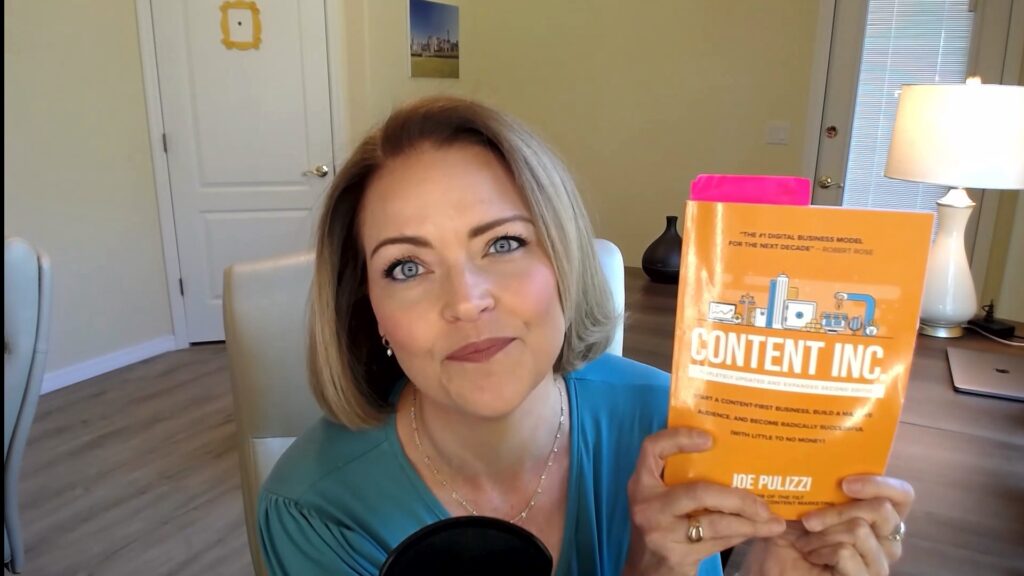
Joe Pulizzi just came out with the second edition of his book, Content Inc. and I have dogears, bookmarks, scribbles and doodles. Yes… it’s just THAT good. I realized after I started reading this, that I would be doing myself a great disservice if I rushed through this book. So I just didn’t. I’m only…
Read MoreWhy Most B2B Content is Failing The Sales Team

Marketing teams have been cranking out content for decades now — trying to generate demand, generate leads and generate a bond with their sales brothers and sisters. So why aren’t sales teams swooning over each new shiny content publication? Is it off the mark? Is it unusable? Is it just not enough? The answer: All…
Read MoreWhy the Line Between Marketing & Sales Gets Blurrier Every Year

It’s a gross understatement to say that the B2B sales, marketing and content landscape has shifted. In fact, the lines between sales, marketing and content are blurrier than ever. Here’s why… Leads Don’t Equal Sales Yup. You read that right. In complex B2B sales cycles, the decision can involve multiple people at various levels in…
Read MoreWhy We’re Flipping the Funnel

Start talking about leads-focused content marketing and someone’s bound to whip out a version of the sales funnel. The team at Well Planned Web has one too. In fact, it’s been at the core of our content methodology for years. We work primarily with clients that have a complex sales cycle of six months or longer. Content must meet…
Read MoreHow the FROM Line Can Make or Break Your Content
Delivering the right content to the right person at right time is a common marketing mantra these days. However, in B2B marketing, it’s critical to add “FROM the right person” to that statement, as well. Relationships Are Back It may sound clichéd, but the old saying is still true: People buy from people. To make…
Read MoreReality Check: The Power of LinkedIn for B2B Marketers [Infographic]
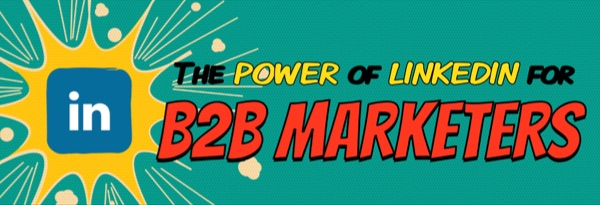
It seems that a new sexy social network steals the spotlight each month — whether it’s Instagram surpassing Twitter or Tumblr and Pinterest taking over the world. But, the fact remains: LinkedIn is still the top dog in the B2B Marketing and Sales arena. Why? It’s simple: LinkedIn has the power to turn a distant business…
Read MoreWhy the “Mad Dash” to Content is Coming to an End

It’s no secret that Content Marketing has been the “mad-dash marketing” theme in recent years. For good reason. Content Marketing works when done right — especially for B2B marketers looking to help prospects research a complex product or service. But, word got out and we humans tend to spread (and tweak) any promises of instant…
Read MoreContent Distribution: Why Publishing and Posting Aren’t Enough

If useful content is published but no one sees it, is it still useful? There’s a growing epidemic among corporate content marketers and content producers. It’s a lack of a sharing. I’m not talking about lack of collaboration or not playing “nicey nice” in the sandbox. It’s about letting content die a slow, painful, pointless…
Read MoreLead Generation: Why It’s Not Working

“How many leads did we get?” This question reflects the ultimate metric of success in B2B Marketing today. After all, if content, communication, distribution and marketing are a success, the leads surely follow — right? Actually…in an effort to stream in gazillions of leads, many teams lose sight of what actually matters — long-term conversion, loyalty and…
Read More“But What If the Content Sucks?”

Recently, I had a great call with a prospective client. Quite frankly, it was my favorite kind of phone call. He soaked up our proposal and had so many fantastic questions. Like so many of our clients, this will be the first non-traditional marketing engagement his company dives into. Aside from talking about each anticipated…
Read More11 Eyebrow-Raising Moments From Content Marketing World

The Content Marketing Institute knocked it outta the park once again. Last year’s inaugural Content Marketing World event drew 600 of the world’s top content professionals. This year, the event compelled 1,000 of the top content brains to spend a week together — sharing content strategies, trends, challenges, success stories, case studies, awards and parties. I have…
Read More